
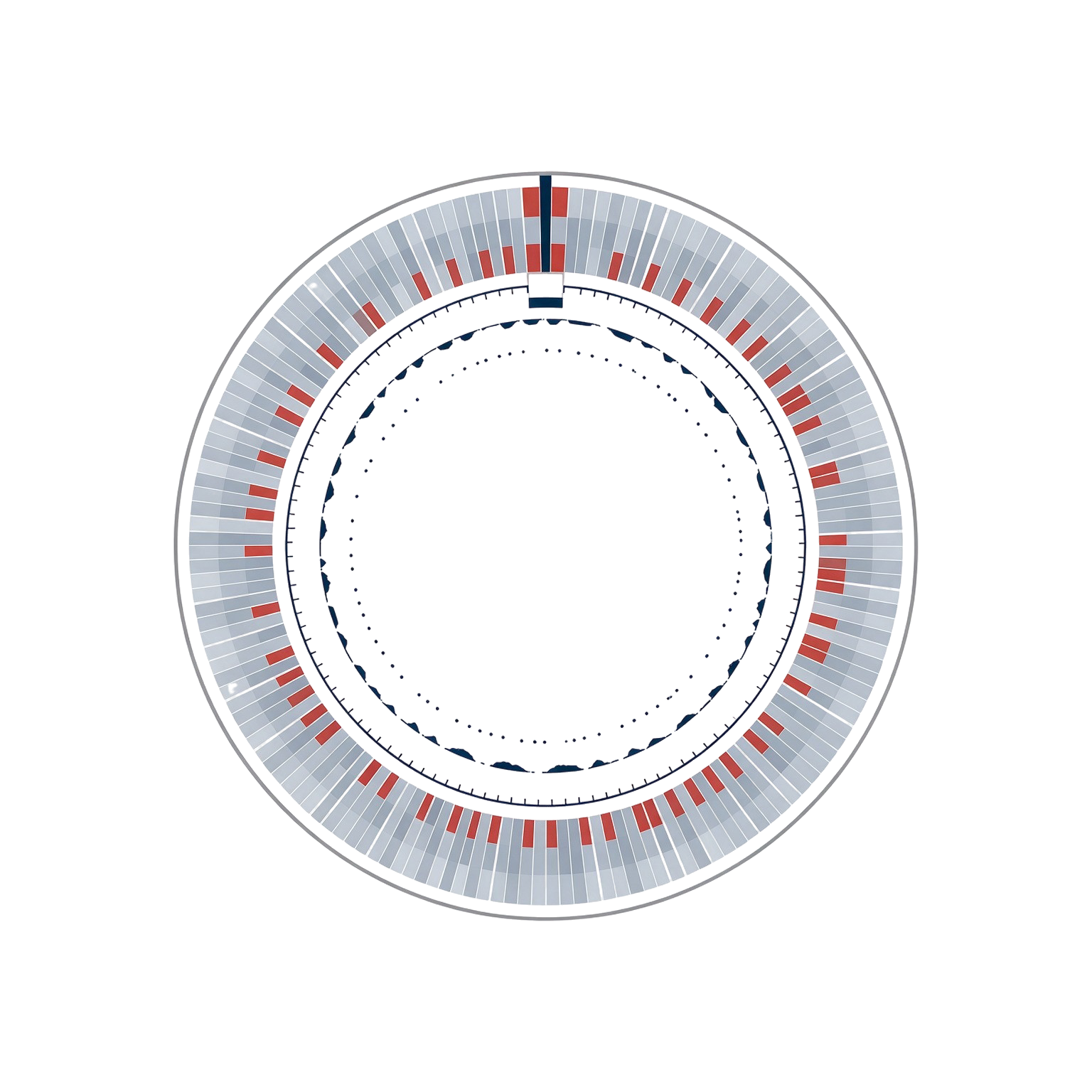
Exons make up only 1–2% of the entire human genome, yet contain more than 85% of disease-causing mutations.
cWES focuses on identifying the causes of monogenic genetic diseases. By analyzing >180,000 exons from 22,000 genes, this service detects more than 6,000 monogenic diseases, including rare diseases that are difficult to diagnose using conventional methods, and supports faster diagnosis and more effective treatment.
What You Need to Know
High Accuracy
Sequencing depth >200X
Extensive Experience
>40,000 WES tests; >150 new disease genes
Comprehensive Analysis
Exonic mutations, CNVs, and mitochondrial intronic variants
Test Duration
approximately 25 to 30 days
Sample
5 mL for adults, and 2 mL for infants and children
Key Benefits of cWES
Accurate Diagnosis
accurately identifies disease-causing mutations.
Broad Coverage
sequencing of all exons, where 85% of pathogenic mutations are found.
Rare Disease Detection
helps detect diseases often missed by conventional methods.
Accuracy & Up-to-Date Data
sequencing depth >200X, genetic data updated every 3 months.
Extensive Experience
>40,000 WES tests handled, helping identify >150 new disease-causing genes.
Who Is cWES For?
Individuals suspected of having a rare genetic disease or who remain undiagnosed.
Families who want to understand genetic disease risks in their lineage.
Individuals who need further genetic information, including recommendations for family planning.
Testing Service Options
Proband
Sequencing is performed only for the proband (one person). If needed, family analysis can be performed using additional techniques such as Sanger sequencing or qPCR to validate the proband results.
Trio
Sequencing is performed for the proband and both parents to obtain complete data that can improve diagnostic accuracy.
Analysis Scope
Consent
Consent from the patient or the patient’s family
Sample Collection
Whole blood: 5 mL for adults, 2 mL for children
Genetic Analysis
The sample is analyzed using Next Generation Sequencing (NGS) technology.
Results Report
Results are received within 25–30 business days.
Genetic Counseling
Receive further explanation from a genetic counselor.