
Screen fetal genetic risks early and plan with your clinician
NIFTY Mono is a non-invasive prenatal screening test using a maternal blood sample to assess the chance of selected monogenic conditions. A screening result is not a diagnosis.
Why consider monogenic screening?
Genetic conditions are not always visible before birth
A monogenic condition can occur without a known family history
Some genetic variants arise spontaneously.
Some conditions may not be visible on ultrasound
Some features may become apparent only as a child develops.
Prenatal screening panels differ
Not all prenatal screening tests assess monogenic conditions.
Who may consider NIFTY Mono?
NIFTY Mono screening may be considered from 10 weeks of pregnancy. Discuss individual circumstances and suitability with your clinician.

Family and pregnancy history

Pregnancy conceived through IVF

Family history of dominant monogenic conditions

Questions about fetal genetic screening

Ultrasound findings to discuss with a clinician:
- Bone or skeletal structure
- Heart
- Fetal nervous system
NIFTY Mono screening information

Non-invasive sample
The test uses a maternal blood sample and is non-invasive.

Screening limitations
Performance varies by condition and variant. Screening is not a diagnosis; discuss results and follow-up with your clinician.

Panel coverage
BGI describes its panel as screening for 202 dominant monogenic conditions associated with 155 target genes. Check the current panel list with your clinician; coverage may change.
NIFTY Mono screening panel
Manufacturer-reported current panel: 202 dominant monogenic conditions. Panel coverage and category counts may change; confirm the current list with your clinician.
Examples of conditions included in the panel:
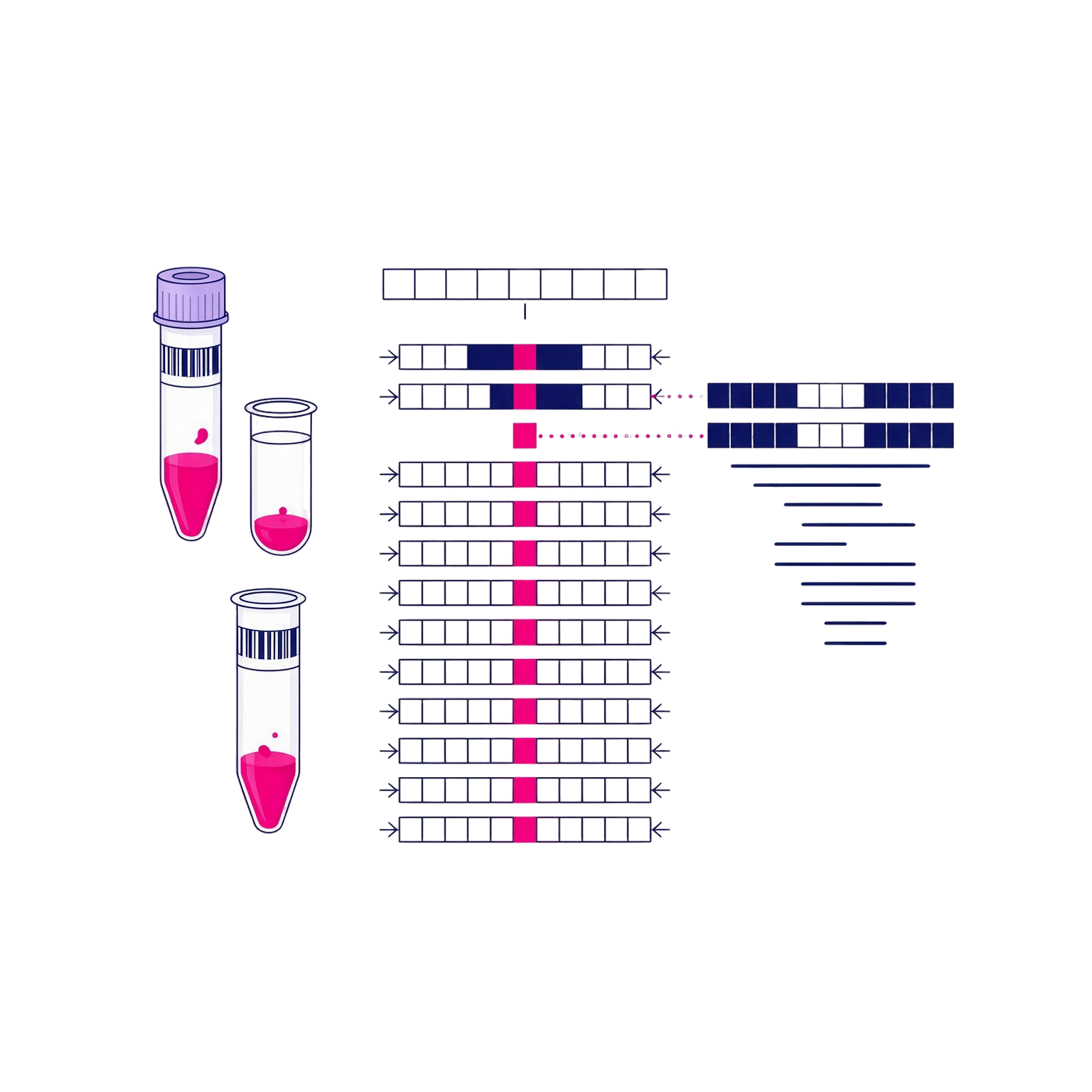
How does the screening process work?

Consultation
Discuss screening with your clinician.

Blood sample
A maternal blood sample is collected.

NGS analysis
The sample is analyzed using next-generation sequencing.

Results report
Ask the team to confirm the current estimated turnaround time.
Ready to discuss NIFTY Mono?
Our team can explain panel options and the sample collection process.